Rama comes home
The best-known story tells of Lord Rama returning to Ayodhya with Sita and Lakshmana after fourteen years of exile and his victory over the demon king Ravana. The people lit rows of lamps to light their way home.
Diwali (also called Deepavali) is one of the most joyful festivals in the world: a celebration of light over darkness, good over evil, and hope over despair, shared by more than a billion people.
The name comes from the Sanskrit deepavali, meaning “row of lights.” On Diwali night, homes, temples and streets glow with clay oil lamps called diyas, strings of lights and candles, welcoming good fortune and pushing back the darkness of the new-moon night.
Diwali is celebrated by Hindus, Jains, Sikhs and many Buddhists, in India and by South Asian communities around the world. Each tradition has its own story, but they share the same spirit: renewal, family, generosity and joy.
It falls on the darkest night of the Hindu lunar month of Kartika, usually in October or November. In 2026, Diwali is on Sunday, November 8.
For many families, Diwali is a five-day festival, with the main celebration on the third night.
A day for new beginnings and prosperity. Families clean their homes and often buy something new, like gold, silver or kitchenware.
“Little Diwali,” also called Naraka Chaturdashi. The first diyas are lit and rangoli designs appear at doorsteps.
The main night. Families pray to Lakshmi, goddess of wealth and good fortune, light every lamp in the house, share sweets and celebrate with fireworks.
Remembers Krishna lifting Govardhan Hill to shelter villagers from a storm. In Gujarat and some other regions, it’s also New Year’s Day.
Celebrates the bond between brothers and sisters, with prayers for each other’s happiness and gifts.
The best-known story tells of Lord Rama returning to Ayodhya with Sita and Lakshmana after fourteen years of exile and his victory over the demon king Ravana. The people lit rows of lamps to light their way home.
Many families believe Lakshmi, the goddess of wealth and prosperity, visits homes that are clean, bright and welcoming on Diwali night, so every window and doorway is lit.
For Jains, Diwali marks the day Lord Mahavira attained moksha (liberation). Lamps are lit as a symbol of the light of his knowledge.
Sikhs celebrate Bandi Chhor Divas, “Day of Liberation,” remembering Guru Hargobind Ji’s release from imprisonment. The Golden Temple in Amritsar is lit with thousands of lights.
Clay oil lamps, candles and lights fill homes, balconies and doorways.
Colorful patterns made from powder, rice or flower petals welcome guests at the door.
Sweets like ladoo, barfi and jalebi are made, shared with neighbors and given as gifts.
Families dress in their finest new outfits, often bright saris, lehengas and kurtas.
Sparklers and fireworks light up the night sky after the evening prayers.
Friends and family gather for food, music and dancing late into the night.
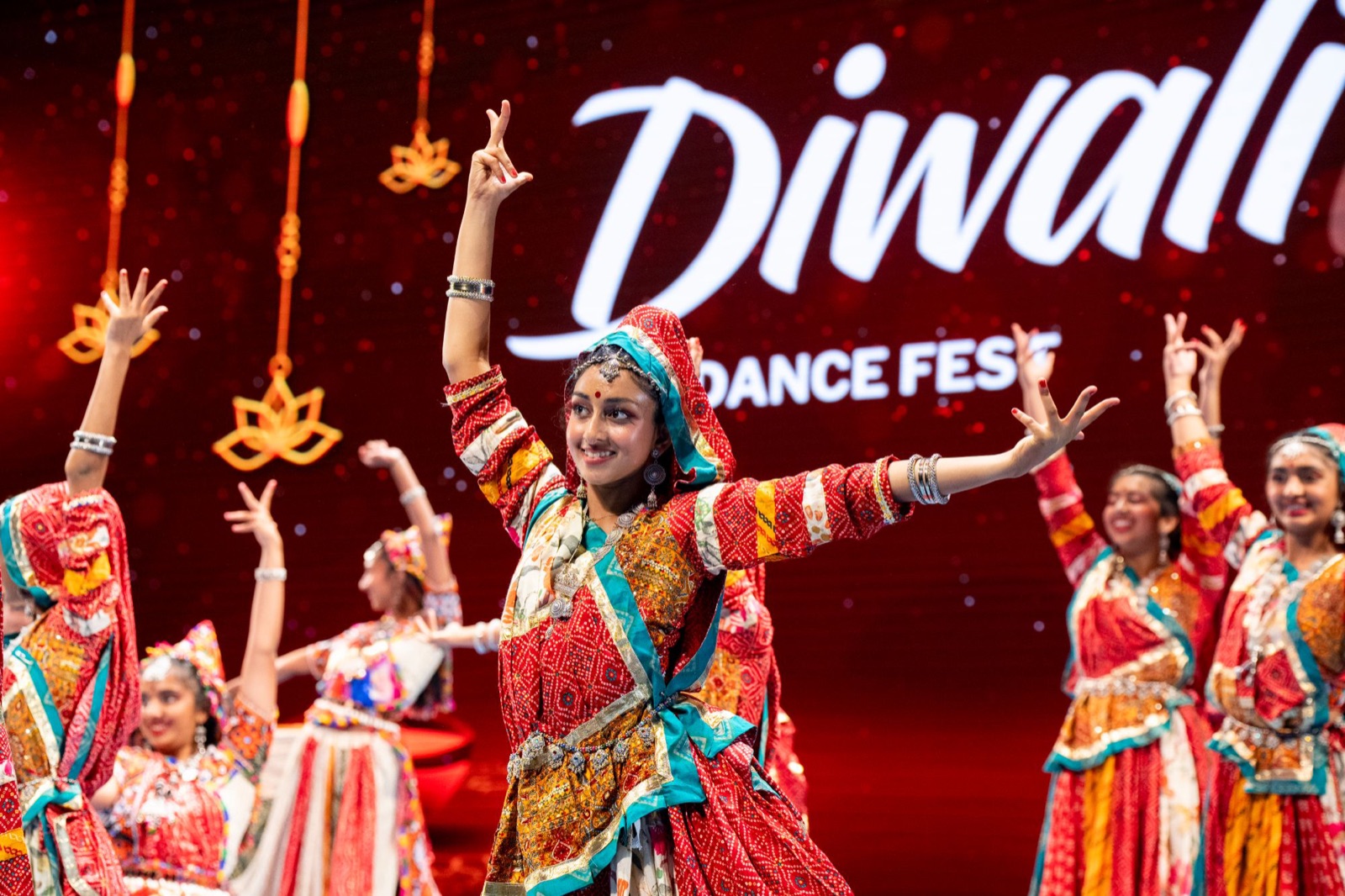
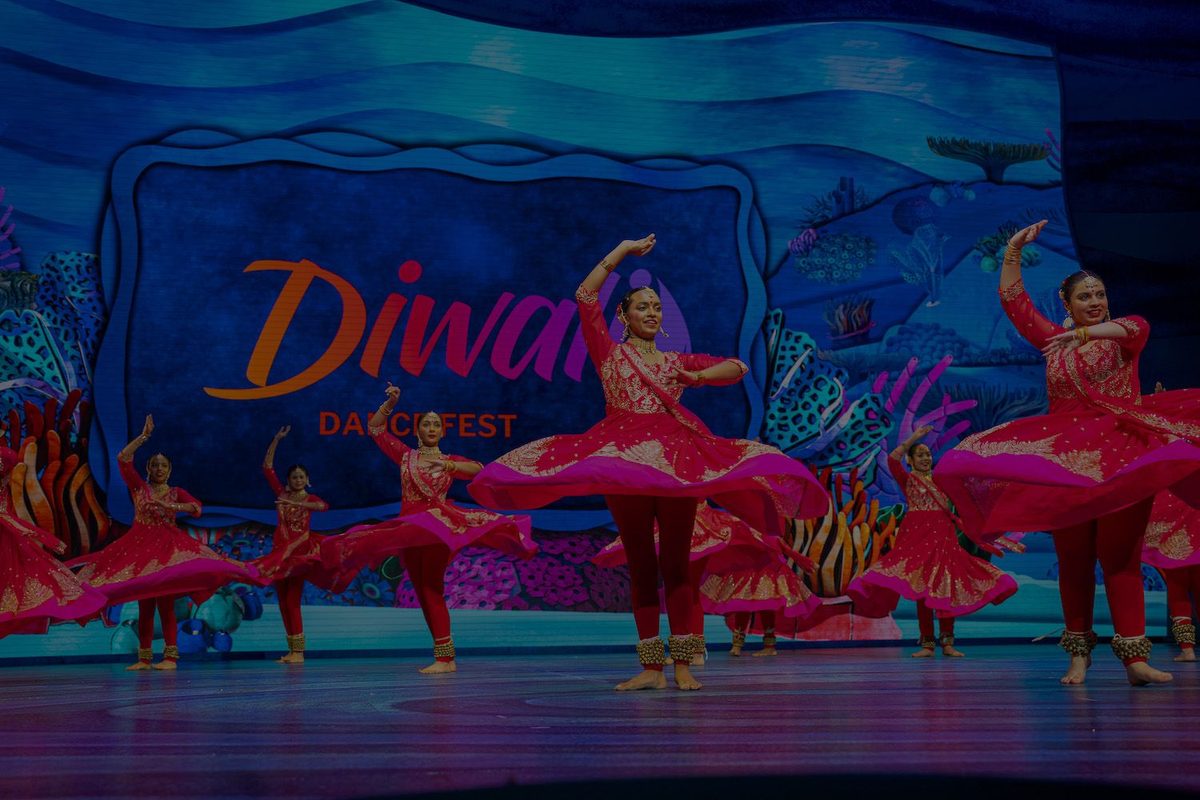
Every Diwali tradition comes back to the same things: coming together, lighting up the night, and sharing joy. Diwali Dance Fest turns those traditions into three days at Walt Disney World® Resort, with dance at the heart of all of them.
Diwali night is about family, food and festive clothes. Our Jashn-E-Magic Diwali Mela at EPCOT brings every performer and their guests together in their finest Indian attire for dinner, music and dancing: one big Diwali party.
When Rama returned home, the whole city came out to celebrate. Our parade down Main Street USA does the same, sharing the joy of Diwali with every park guest who stops to watch, with 500+ dancers and live dhol.
Dance has always been part of how Diwali is celebrated. At the International Dance Showcase, 25 studios with dancers from four continents share classical, folk and Bollywood styles, passing these traditions to the next generation.

Diwali and the magic of Disney have a lot in common. Both celebrate light: lamps glowing in every window on Diwali night, and a park that sparkles after dark. Both end the evening with fireworks lighting up the sky.
Both are built on stories where good triumphs over evil, courage wins out, and families come together. And both are about wonder: the feeling of seeing something magical through the eyes of a child.
That’s why we celebrate Diwali at Walt Disney World® Resort. For young South Asian dancers, performing their culture at the most magical place on Earth is a memory that lasts a lifetime, and for park guests it’s a chance to discover the joy of Diwali for themselves.
“Happy Diwali!” works everywhere. You may also hear “Shubh Deepavali” (Hindi, “auspicious Diwali”) or “Diwali ki shubhkamnayein” (“best wishes for Diwali”).
See where to be each day of the 2026 festival, or relive last year’s celebration.